Automated Code Review with LLMs
A developer tool that automates code reviews using LLMs, static analysis, and project-aware context.
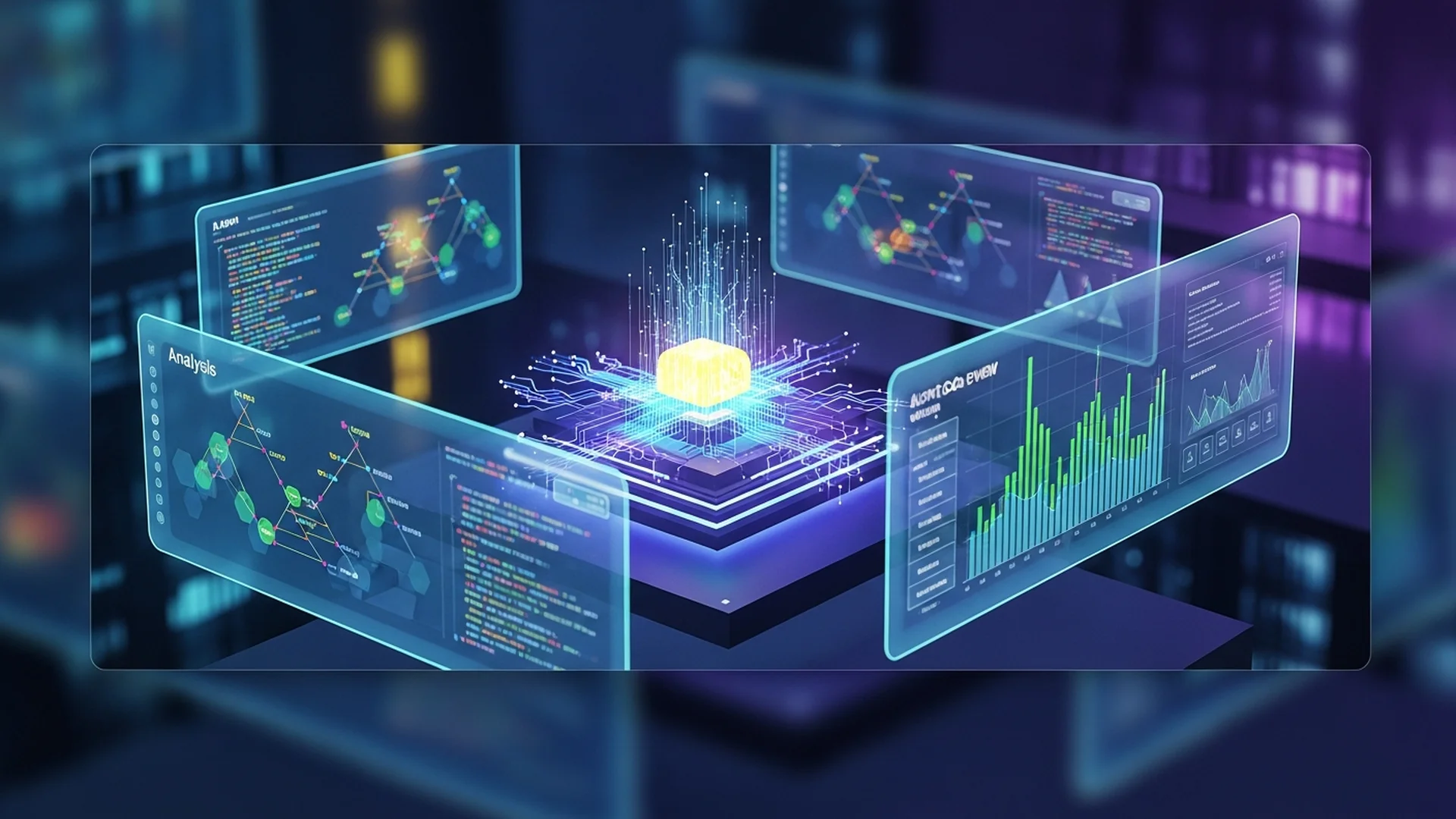
Automated Code Review with LLMs combines static analysis, type-aware checks, and LLM-powered suggestions to accelerate code reviews and surface actionable feedback. Launched in 2025, the project balances the creativity of LLM suggestions with deterministic linters and project context to reduce false positives and deliver practical reviewer comments.
SEO keywords: automated code review, code review LLM, AI code reviewer, LLM code suggestions, developer productivity tools.
Key features include PR-scoped analysis that fetches only changed files, context-aware prompt construction using repo symbols and tests, auto-suggested fixes with patch previews, and a confidence-scoring layer that prioritizes deterministic issues. The system integrates with CI/CD pipelines and provides an interface for maintainers to accept or reject AI-suggested patches.
Feature table:
| Feature | Benefit | Notes |
|---|---|---|
| PR-scoped analysis | Fast feedback | Only analyze diffs to save compute |
| Patch suggestions | Faster fixes | Patch previews in review UI |
| Confidence scoring | Reduce noise | Combine lint scores + LLM confidence |
| Test-run integration | Safety guard | Execute tests on suggested patches |
Implementation steps
- Build a pre-commit/CI job that extracts repo context and the PR diff.
- Generate concise prompts to LLMs with relevant file context, test cases, and style guides.
- Validate suggested patches by running unit tests in ephemeral runners before posting.
- Integrate with GitHub/GitLab for inline comments and patch application flows.
- Provide audit trails and human-in-loop approval for sensitive changes.
Challenges and mitigations
- LLM hallucinations: enforce deterministic linters to validate or reject suggestions that contradict static analysis.
- Security & secrets: redact secrets from prompts and add secret-detection gates before sending context to external LLMs.
- Test safety: run suggested patches through CI with sandboxed environments to avoid destructive changes.
- Context limits: use focused context selection strategies—only important functions and relevant tests—to stay within model token budgets.
Why it matters
Improving developer velocity and reducing reviewer burden are evergreen priorities. By combining LLMs with traditional static analysis and CI safety nets, teams can get faster, higher-quality code reviews. SEO content around "AI code review" and "LLM for code review" attracts engineering managers and platform teams considering such tools.